Start with the artist's actual work
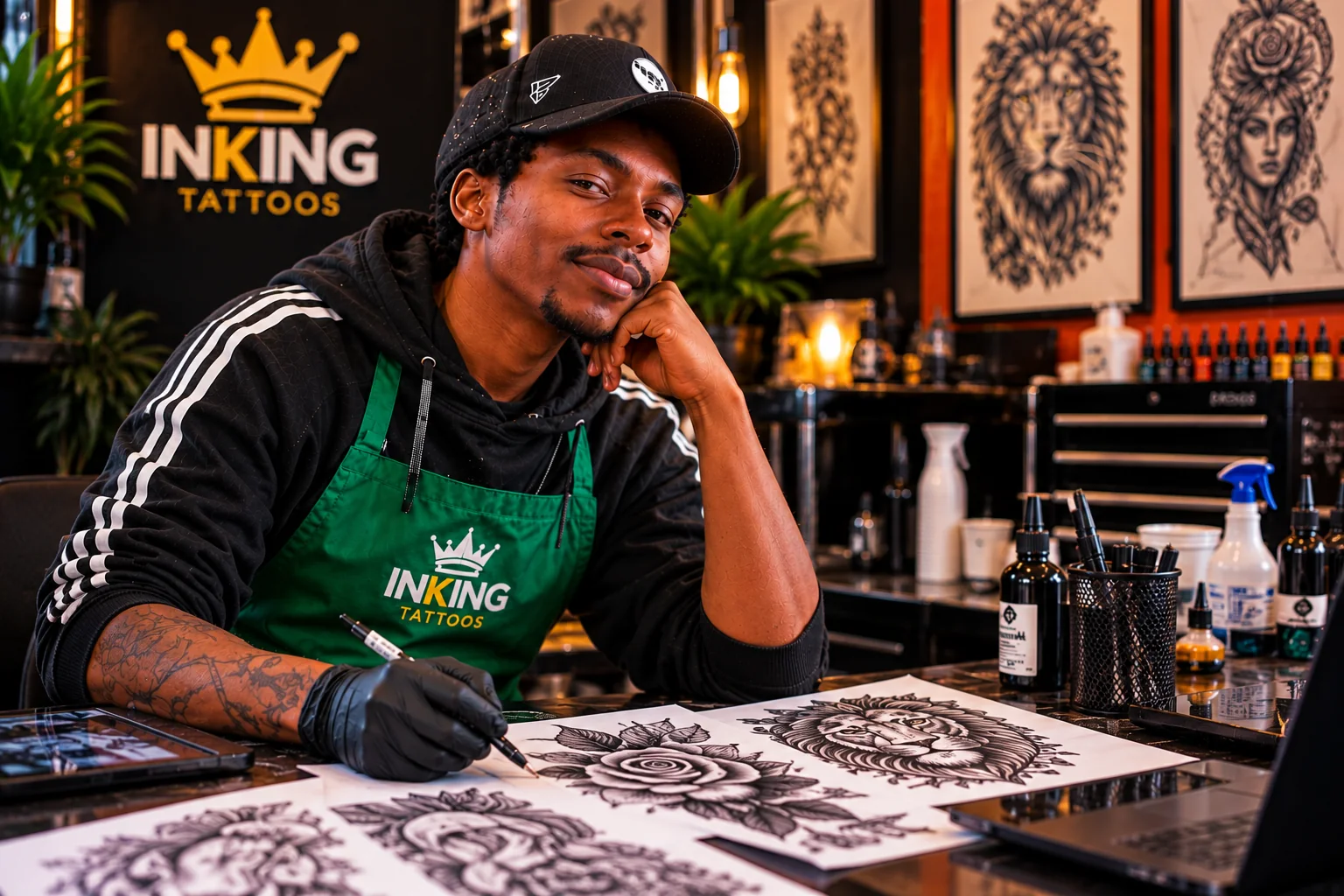
A tattoo artist's portfolio gives you more useful information than a label alone. Look at finished tattoos and pay attention to line work, shading, composition and the kinds of pieces the artist regularly creates.
Do not choose only because an artist is nearby or because a price sounds attractive. The work will stay on your body, so take time to decide whether the artist's approach fits the tattoo you want.
If you already have a specific idea, compare it with the artist's published work. You are not looking for an exact copy of your idea; you are looking for evidence that the artist's approach is suitable for the type of work you want.
Know what you want before you contact an artist
You do not need a finished drawing before contacting a tattoo artist. A useful first message can explain the subject, include a few reference images, give an approximate size and identify the body area you are considering.
If you are still deciding on the placement or size, say that. It is better to make those decisions openly than to choose a size simply because it appears in a reference photo.
Also explain what you like about your references. You may like the composition of one image, the line style of another or the subject of a third. That information helps separate inspiration from a request to copy someone else's tattoo.
Develop a meaningful tattoo idea →Learn how to turn subjects, references and personal meaning into a clearer tattoo brief.
Look for consistency, not just one impressive image
One excellent tattoo can catch your attention, but a broader portfolio gives you a better picture of an artist's work. Look for consistency across multiple published pieces and ask whether the quality and visual approach are generally what you want.
If an artist regularly works in a style you like, that is useful evidence. If your requested tattoo is very different from everything you can see, ask about it before assuming the artist is the right fit.
A portfolio is also a communication tool. It can help you identify the kinds of line work, shading, subjects or compositions that you want to discuss.
Hygiene should be part of your decision
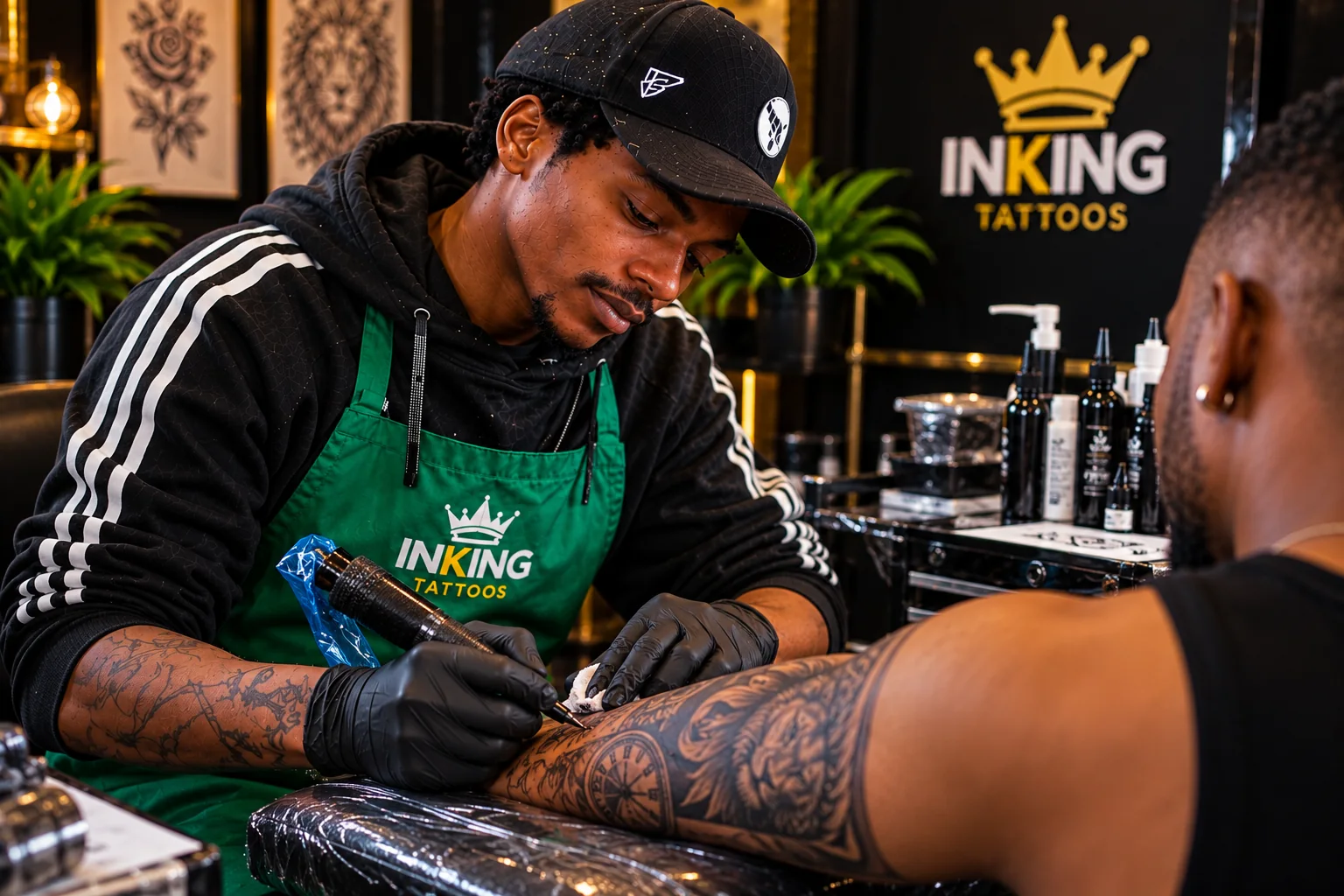
Tattooing breaks the skin, so hygiene is not a detail to leave until after you have chosen an artist. Ask sensible questions if you are unsure about the working setup, equipment or how the session will be carried out.
You should be comfortable with the cleanliness and organization of the tattooing environment. If something about the setup concerns you, ask for clarification before the tattoo begins rather than ignoring the concern because you have already made the appointment.
Ask how needles and other single-use items are handled, whether clean gloves are used, how surfaces and equipment are kept clean, and how used needles are safely discarded. You do not need to know every technical detail, but the artist should be willing to explain the process clearly and take hygiene questions seriously.
Notice whether the artist prepares a clean work area and avoids touching phones, door handles or other unclean objects with the same gloves used during tattooing. If you are uncertain about a step, pause and ask before work continues; do not feel obliged to proceed just because you have arrived or paid a deposit.
The same principle applies when discussing a mobile tattoo session. Convenience should not replace a suitable working environment or sensible hygiene practices. Ask how the setup will be kept clean at your location before confirming the arrangement.
Price matters, but it needs context
Price is a legitimate part of choosing an artist, especially when you are planning a budget. But the cheapest published number is not automatically the best comparison because artists may price different amounts of work.
At Inking Tattoos, tattoos start from KSh 1,000. That is a starting price rather than a promise that every tattoo costs KSh 1,000. Size, detail, placement, preparation and the actual work involved can affect the price of a particular piece.
When asking for a quote, send the information needed to understand the tattoo. A useful comparison is between actual pieces with similar requirements, not between two unrelated starting prices.
Make sure the design suits the size and placement
An artist may be technically good but still not be the right choice for the particular tattoo you want. Consider whether the artist's work shows an understanding of the scale and placement you are considering.
A highly detailed reference may need more room than you originally expected. A small tattoo may need simplification, while a larger piece may allow more detail and composition. Ask how your idea could work at the intended size rather than treating the reference dimensions as fixed.
Placement also affects visibility and practical considerations. Tell the artist where you want the tattoo, even if you are open to alternatives.
Think through tattoo placement →Compare visibility, design fit and practical considerations before choosing a body area.
Consider studio and mobile options
Some clients prefer visiting a studio, while others may want to discuss a mobile session. The important point is to choose an arrangement that can support the tattoo safely and practically.
Jay is based in Limuru and also works as a mobile tattoo artist. If you want to discuss a mobile session, include your location together with the tattoo idea so availability can be considered.
Mobile availability depends on the location and arrangement. Do not assume that describing an artist as mobile means every location in Kenya is automatically covered.
Pay attention to communication before the tattoo
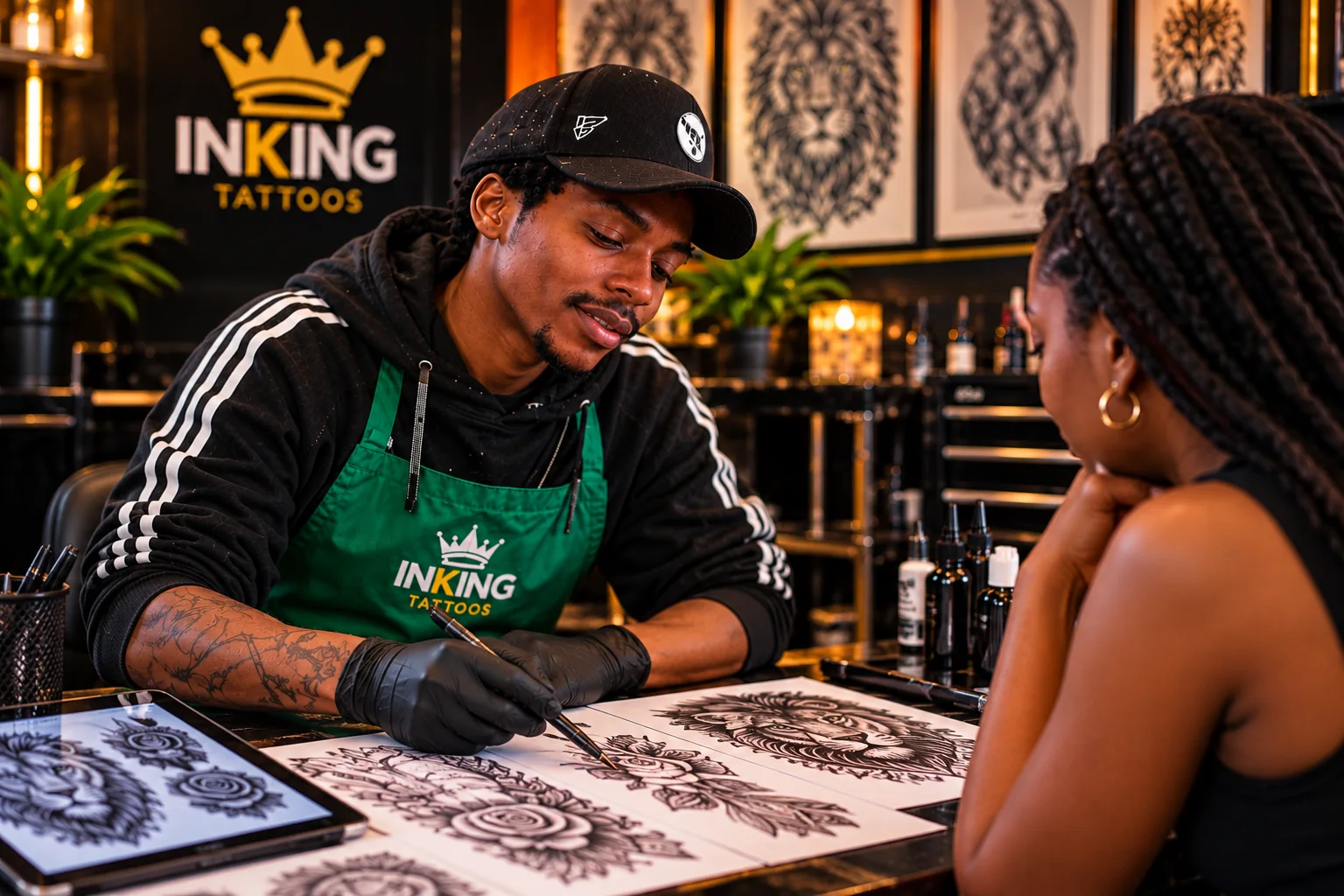
The conversation before the session can tell you a lot about whether you are comfortable working with an artist. You should be able to ask about your idea, size, placement, preparation and aftercare without feeling pressured to rush the decision.
Clear communication also gives the artist useful information. If you have a non-negotiable part of the design, say so. If you are open to changes, say that too.
You should not feel that asking reasonable questions is an inconvenience. A permanent piece deserves enough discussion for both sides to understand what is being planned.
Do not choose from a copied tattoo alone
A reference can show you exactly what caught your attention, but it does not automatically tell you which artist should tattoo it. The original piece was designed for another person, another body area and another set of preferences.
Use references to communicate the direction you like, then discuss how the idea can become a tattoo suited to you. If an artist suggests changing the size, composition or level of detail, ask why before deciding.
If you want a custom piece, leave enough room for the artist's professional input rather than treating the reference as a finished blueprint.
Think about the whole experience, not only the tattoo image
Choosing an artist is also about the practical experience around the tattoo. Consider how you will communicate, where the session will happen, what preparation is required, how you will receive aftercare instructions and whether the arrangement fits your circumstances.
For a mobile session, location and setup need to be discussed in advance. For any tattoo, make sure you understand the plan before the session begins.
If something important is unclear, ask before committing. A short conversation at the planning stage is easier than trying to resolve a misunderstanding after the tattoo has been started.
Questions worth asking before you decide
You can keep your questions simple: Can I see examples of your actual work? Does my design suit your usual approach? What information do you need for a quote? Can we discuss the size and placement? What should I know about preparing for the session and aftercare?
If you are considering mobile tattooing, add your location and ask whether the arrangement can work there. If the tattoo contains lettering, names or dates, confirm the wording carefully before it is made permanent.
The goal is not to interrogate the artist. It is to make sure you understand what you are choosing and that the artist has enough information to discuss the piece properly.
A practical way to compare artists
Compare artists using the same questions: Do they show several examples relevant to your design? Does their work look consistent? Can they explain how your idea may need to change for the size or placement? Is the quote based on the details you supplied? Are the hygiene and session arrangements clear?
You can make a short note for each artist under portfolio, design fit, communication, price and session setup. This is not a technical rating of their skill; it simply helps you compare like with like instead of letting one low price or one striking photograph decide for you.
If an important answer is missing, ask before paying a deposit or confirming the appointment. You should understand the proposed design, the expected cost and the practical arrangements before committing.
Green flags and reasons to pause
Useful positive signs include a portfolio with several relevant examples, clear answers to reasonable questions, a willingness to discuss size and placement, an understandable explanation of pricing and a clean, organized setup. No single sign guarantees a perfect result, but together they can help you make a more informed choice.
Pause if you are pressured to decide before your questions are answered, the price or session plan keeps changing without explanation, you cannot see relevant examples of the artist's work, or hygiene concerns are dismissed. You do not have to continue simply because you have travelled to the appointment or paid a deposit.
If something feels unclear, ask for an explanation and take time to consider it. If you remain uncomfortable about hygiene or the arrangement, do not proceed until the concern is resolved. A permanent tattoo is not a decision you need to make under pressure.
Frequently asked questions
How do I know if a tattoo artist is right for my design? Start with the artist's real published work and compare it with the style, scale, subject and placement you want. Then discuss your idea directly before deciding.
Should I choose the cheapest tattoo artist? Price matters, but it should be compared with the actual work being proposed. At Inking Tattoos, KSh 1,000 is the starting price, not a universal price for every tattoo.
Can I bring a reference image? Yes. References are useful for explaining subject, composition, line work, shading and mood. Explain what you like about the image rather than assuming it should be copied exactly.
What should I send when asking for a tattoo quote? Send the idea, useful references, approximate size, preferred placement and, for a mobile enquiry, your location. More specific information makes the discussion more useful.
Is a mobile tattoo artist available everywhere in Kenya? Do not assume that. Jay is based in Limuru and mobile availability depends on the location and arrangement, so confirm it directly.
Choosing Jay at Inking Tattoos
Jay is the main tattoo artist at Inking Tattoos, based in Limuru Town, Kenya. His published disciplines include tattooing, mobile tattoo sessions, drawing, portrait art, commissioned art and dreadlocks.
If you want to discuss a tattoo with Jay, send the idea, useful references, approximate size and preferred placement by WhatsApp or phone. If you are interested in a mobile session, include your location as well.
Inking Tattoos currently starts tattoos from KSh 1,000. Your actual price still needs to be discussed from the specific design and work involved.
A simple checklist before committing
Before you decide, check that you have reviewed the artist's actual work, explained your idea clearly, considered size and placement, understood how pricing will be discussed and asked any hygiene or session questions that matter to you.
You should also be comfortable with the communication and the practical arrangement. If you are still unsure about the design or artist, waiting is a valid choice. A tattoo is permanent, so there is no advantage in rushing a decision just to secure an appointment.